From the studio
the inplay journal
Case studies, research papers, field notes and reflections from our ongoing exploration of play, learning, design and climate conscious education.
Categories
- Everything
- Case Studies
- Research Papers
- Field Notes
- Perspectives
- Press
Research paper
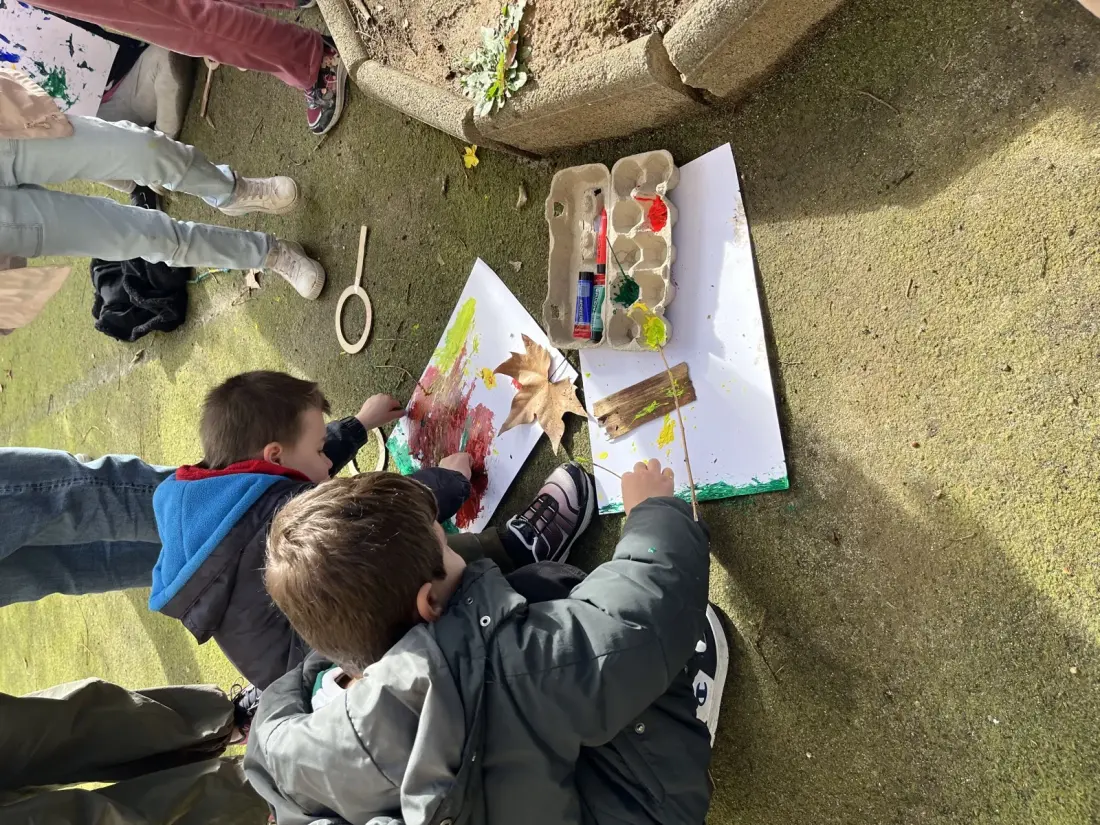
Co-designing with Children: Intuitive Insights for Growing Minds
Published through the Pixel International Conference. What happens when children aged five to nine are treated as contributors to the tools built for their own learning and what their movements, questions and hesitations turn out to be worth.
Read the paper →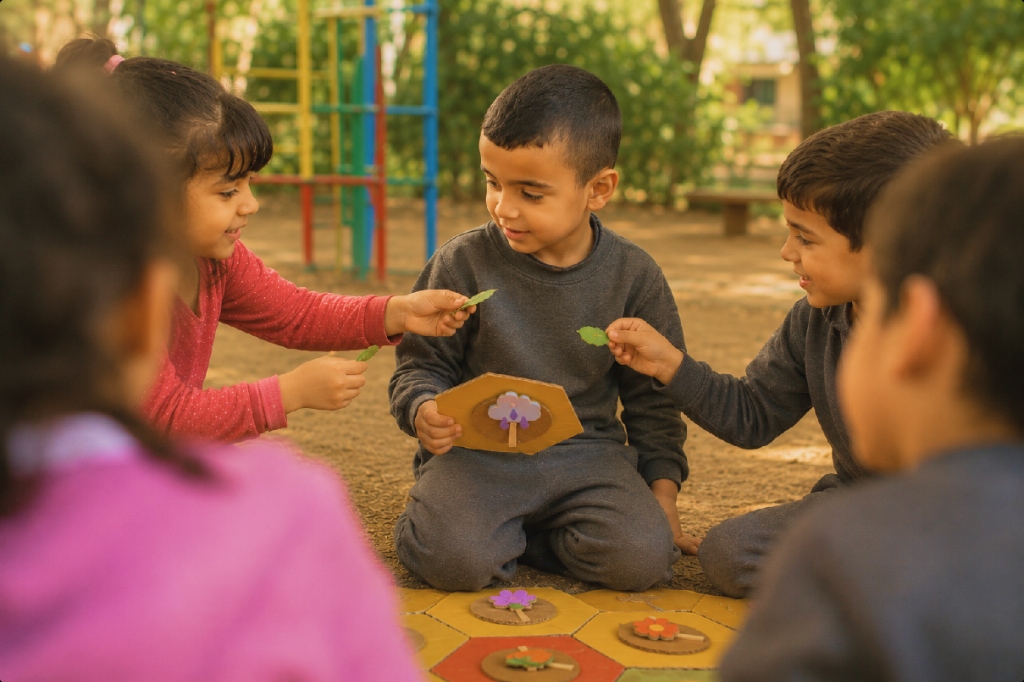
Case study
Growing Minds
An award-winning educational game that connects children with nature through playful exploration of ecosystems and the research, playtesting and cross-cultural work behind it.
Read the case study →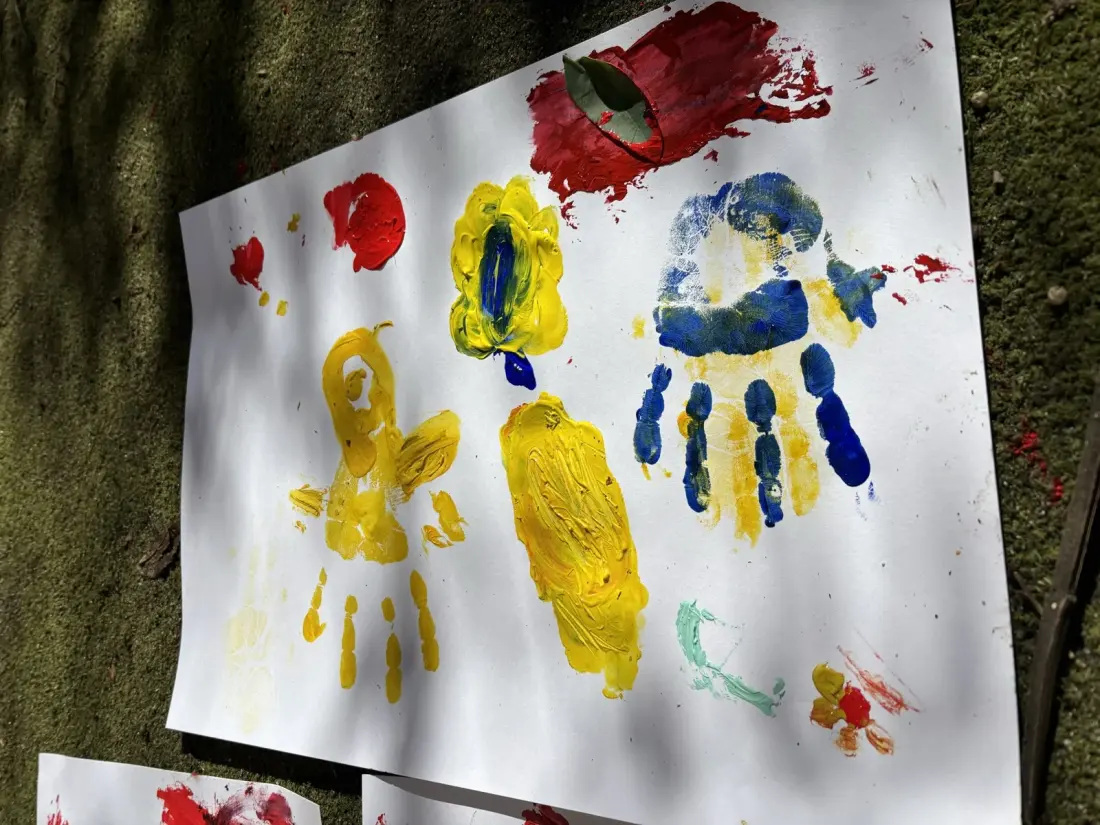
Perspective
From Memoir to Method
How a 2023 master’s thesis on climate change, pedagogy and early years development became the conceptual foundation for the Eco-Schools Handbook for Early Years: learning through play, the environment as a third educator and sustainability held in a school’s culture rather than parked in a subject slot.
Read on Substack →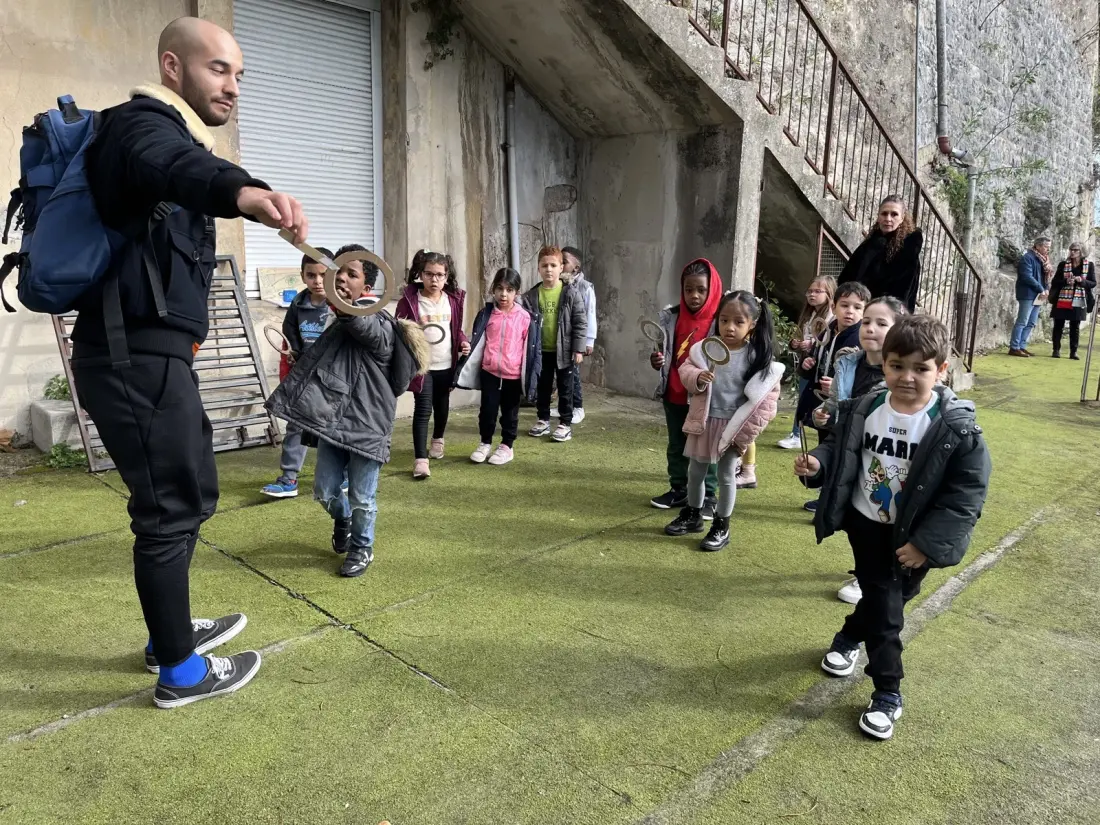
Perspective
The City as a Playground: Rethinking Childhood Through Design
Notes from Holiday Homework, a LOAM exhibition at Method Delhi and the question at its centre: is play a right, the way clean air or public transport is a right? On open-ended design, accessible commons, repair and children as research participants rather than end users.
Read on Substack →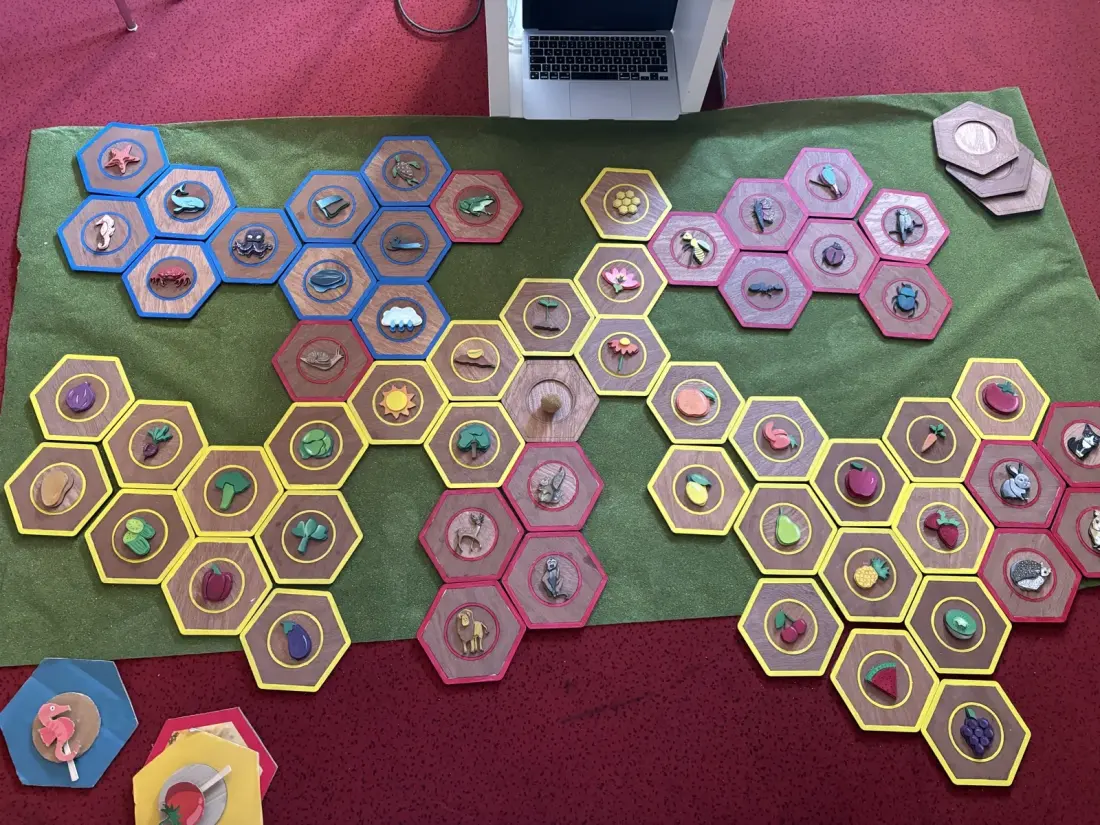
Press
Growing Minds: Environmental Awareness and Designing With Children
Written up by Remi Terhorst for the Lectoraat Human Experience & Media Design. A close look at what changed when children aged six to eight were brought into the design process, including the moment detailed illustrations gave way to simplified icons children could actually read as relationships.
Read the feature →Research paper Designing With Children · Intuitive Insights From Growing Minds
Growing Minds explores what happens when children help shape the tools created for their learning. Developed through observation and repeated playtesting with children aged five to nine, the study treats their movements, questions, hesitations and collaborations as valuable design insights. The result is an educational game that makes sustainability active, social and connected to everyday experience.
Children shape the design
Children were treated as active contributors rather than final users. Their actions, questions and misunderstandings revealed gaps between adult assumptions and their actual learning needs. Each observation helped the game become clearer, more accessible and more meaningful.
Play makes learning visible
Children demonstrated their understanding by moving, collecting, matching, explaining, adjusting and trying again. Play became both a learning method and a research tool, making curiosity, confusion, cooperation and problem solving visible through action.
Connections build systems thinking
Recognising individual plants, animals or natural objects was only the beginning. Ecological icons, natural materials and shared maps helped children explore how living things, resources, environments and human choices influence one another.
Collaboration must be designed
Placing children in a group did not automatically create collaboration. Shared missions, turn taking and the need to continue from another child’s move made cooperation a concrete part of the experience. Children learned to observe, communicate and adapt their decisions together.
Skills for a climate conscious future
Growing Minds supports ecological awareness, communication, adaptability, confidence and shared decision making. By shifting the teacher from answer giver to guide, the experience helps children become active participants in learning and capable future actors within the systems they will inherit.
Play is not the opposite of work
It’s how humans learn